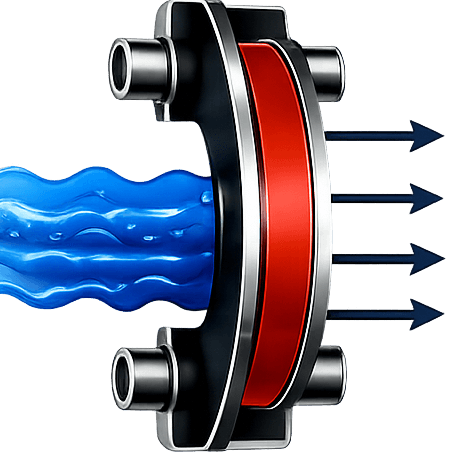
Engineered for the industries
that can’t leak.
Every sector punishes the wrong seal differently — sour gas, superheated steam, aggressive chemistry, hygienic process. SealGuard specifies for the exact service conditions of each, so the joint holds and the line keeps running.
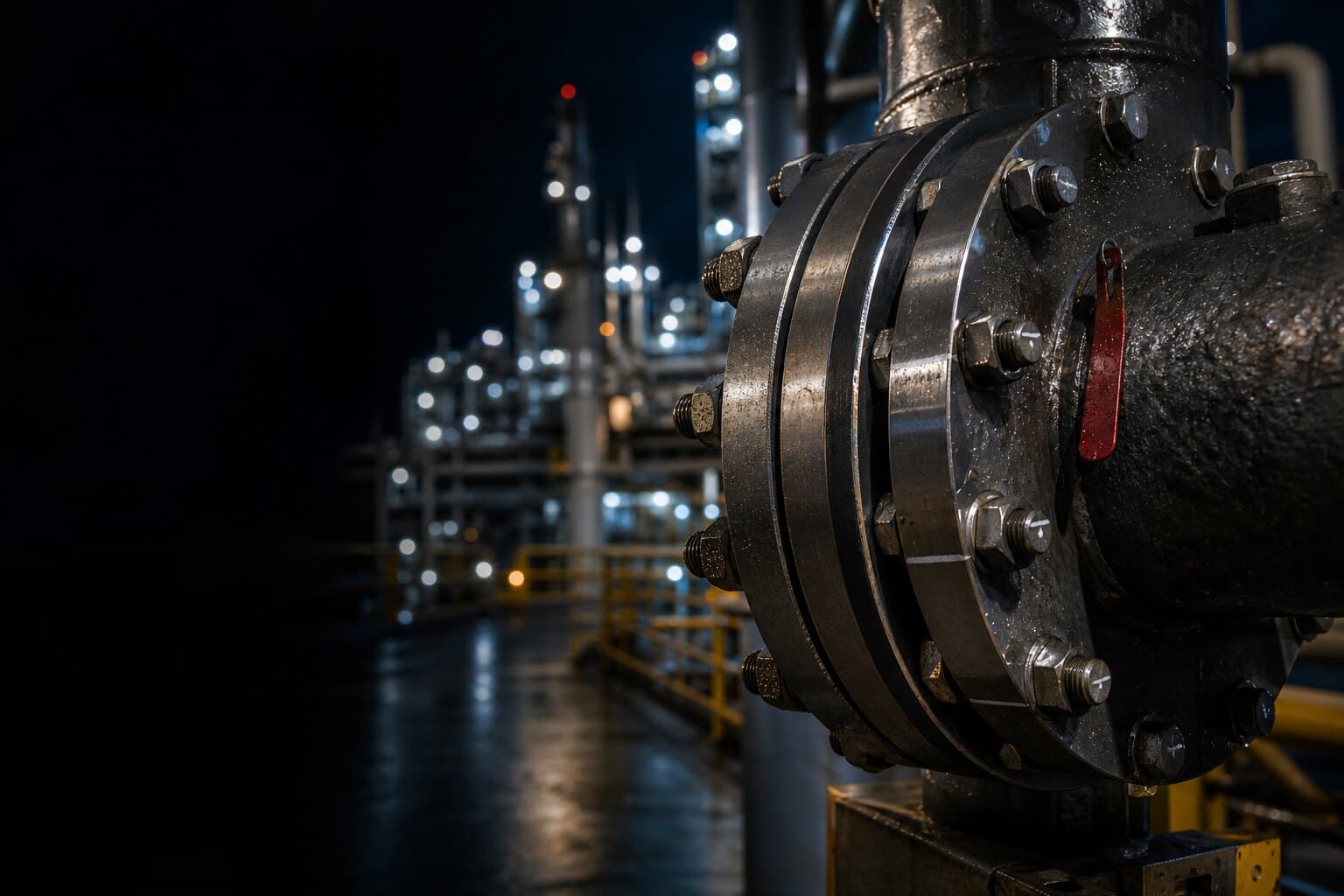
Oil & Gas
Wellhead to refinery, held leak-tight.
 Sector 01
Upstream, midstream and downstream sealing engineered for sour service, high pressure and wide thermal swings — where a single leak path carries safety, environmental and production cost.
From wellhead trees and separators to pipeline flanges and refinery columns, our seals hold against hydrocarbons, H2S and steam at pressures that flatten lesser materials. Spiral-wound and metallic gaskets seal the critical Class 600–2500 joints while graphite packing keeps valve stems emission-tight. Every component ships with the traceability and standards conformance a hydrocarbon audit demands.
Sealing challenges
- Sour (H2S) service that embrittles the wrong elastomers and metals
- Fugitive-emission limits requiring repeatable, leak-tight flange joints
- Rapid thermal cycling that relaxes gaskets and opens leak paths
- High differential pressures across Class 600–2500 flanges
Seals we specify
Petrochemical
Aggressive media, zero compromise.
 Sector 02
Sealing for cracking, reforming and polymer plants where hot hydrocarbons, solvents and catalysts attack any seal that isn't precisely specified.
Petrochemical units combine high temperature, aggressive chemistry and continuous duty — the conditions that expose a mis-specified seal fastest. We match PTFE and graphite gaskets, encapsulated O-rings and cartridge seals to each stream, then back the selection with chemical-compatibility and temperature data. The result is longer runs between turnarounds and fewer emissions excursions.
Sealing challenges
- Hot hydrocarbon and solvent streams that swell or dissolve elastomers
- Continuous duty demanding multi-year service intervals
- Thermal expansion across long pipe runs needing compensating joints
- Trace-emission compliance on volatile organic compounds
Seals we specify
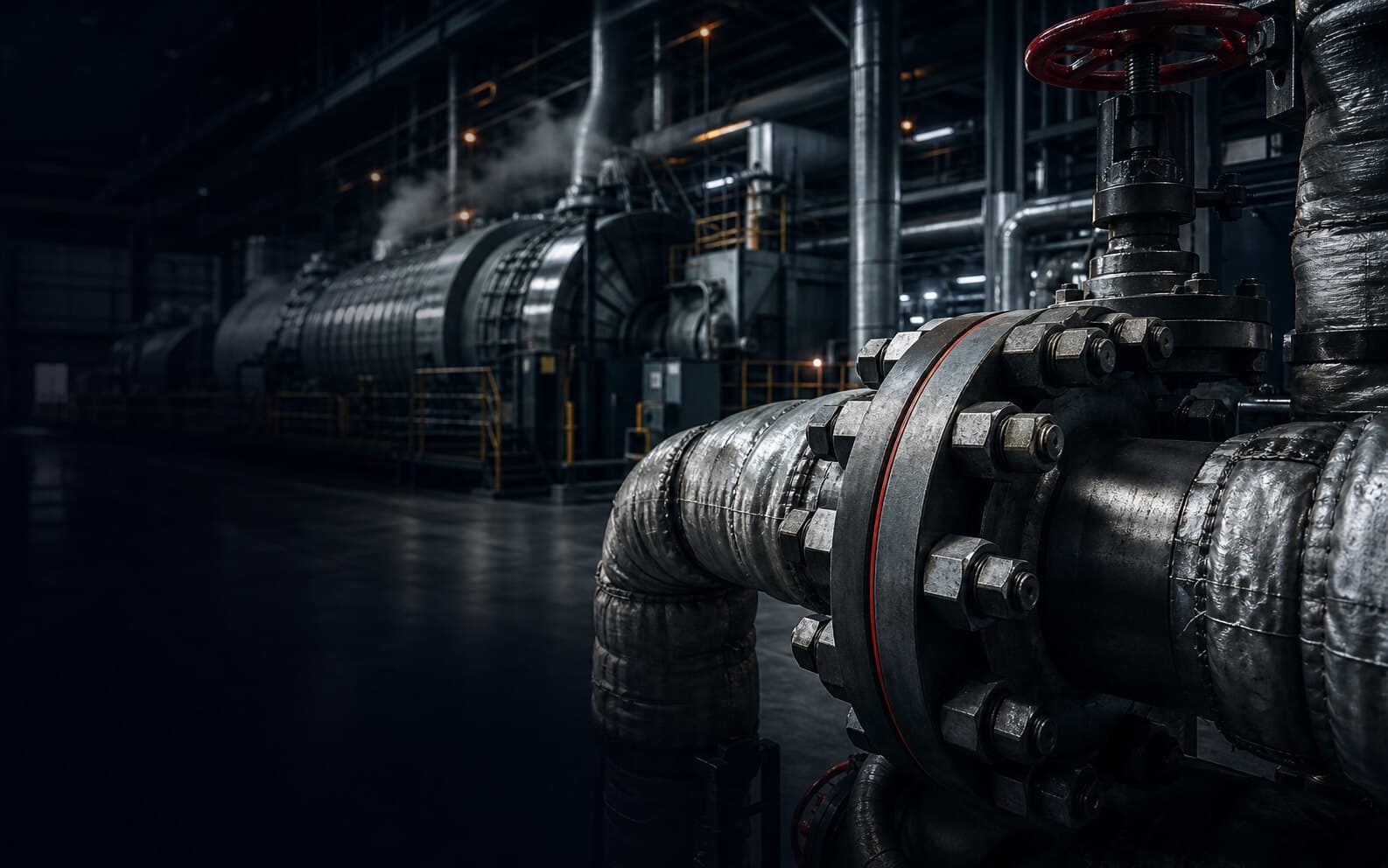
Power Plants
Steam-tight, cycle after cycle.
 Sector 03
High-temperature sealing for boilers, turbines and balance-of-plant — conventional, combined-cycle and nuclear auxiliary systems where steam and feedwater never sleep.
Boiler feed pumps, steam headers and turbine auxiliaries live under heat, pressure and constant load changes. We specify flexible-graphite gaskets and packing for superheated steam, balanced mechanical seals for feed pumps, and metallic gaskets for the highest-class joints. Predictable wear and long service intervals let plant teams build maintenance plans around the seal, not around the next failure.
Sealing challenges
- Superheated steam and feedwater at sustained high temperature
- Load-following cycles that fatigue gaskets and packing
- Boiler-feed-pump seals exposed to flashing and thermal shock
- Long shutdown intervals demanding dependable service life
Seals we specify
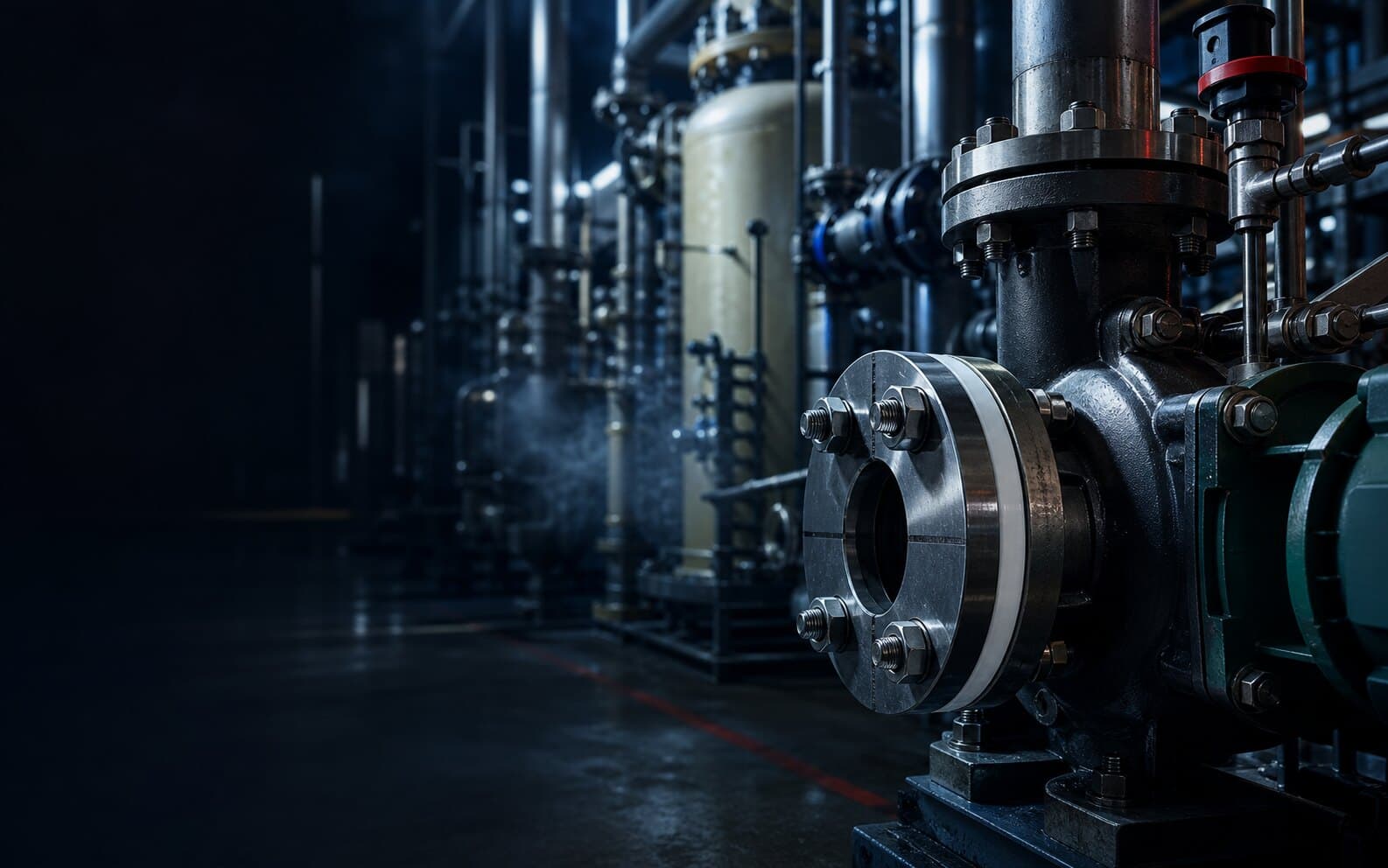
Chemical
Engineered for the whole pH scale.
 Sector 04
Corrosion-resistant sealing for acids, caustics and solvents — batch and continuous process plant where the media inventory changes by the campaign.
Chemical processing punishes the wrong material choice with swelling, cracking and unplanned isolation. We lean on PTFE in every form — gaskets, sheet, packing and encapsulated O-rings — plus cartridge seals with chemically inert faces, so a single pump or vessel can handle a changing media slate. Selections come with full pH and compatibility data to de-risk the specification.
Sealing challenges
- Mixed-media duty spanning strong acids to strong caustics
- Permeation and swelling that defeat ordinary elastomers
- Frequent product changeovers with variable concentrations
- Containment of hazardous and reactive fluids
Seals we specify
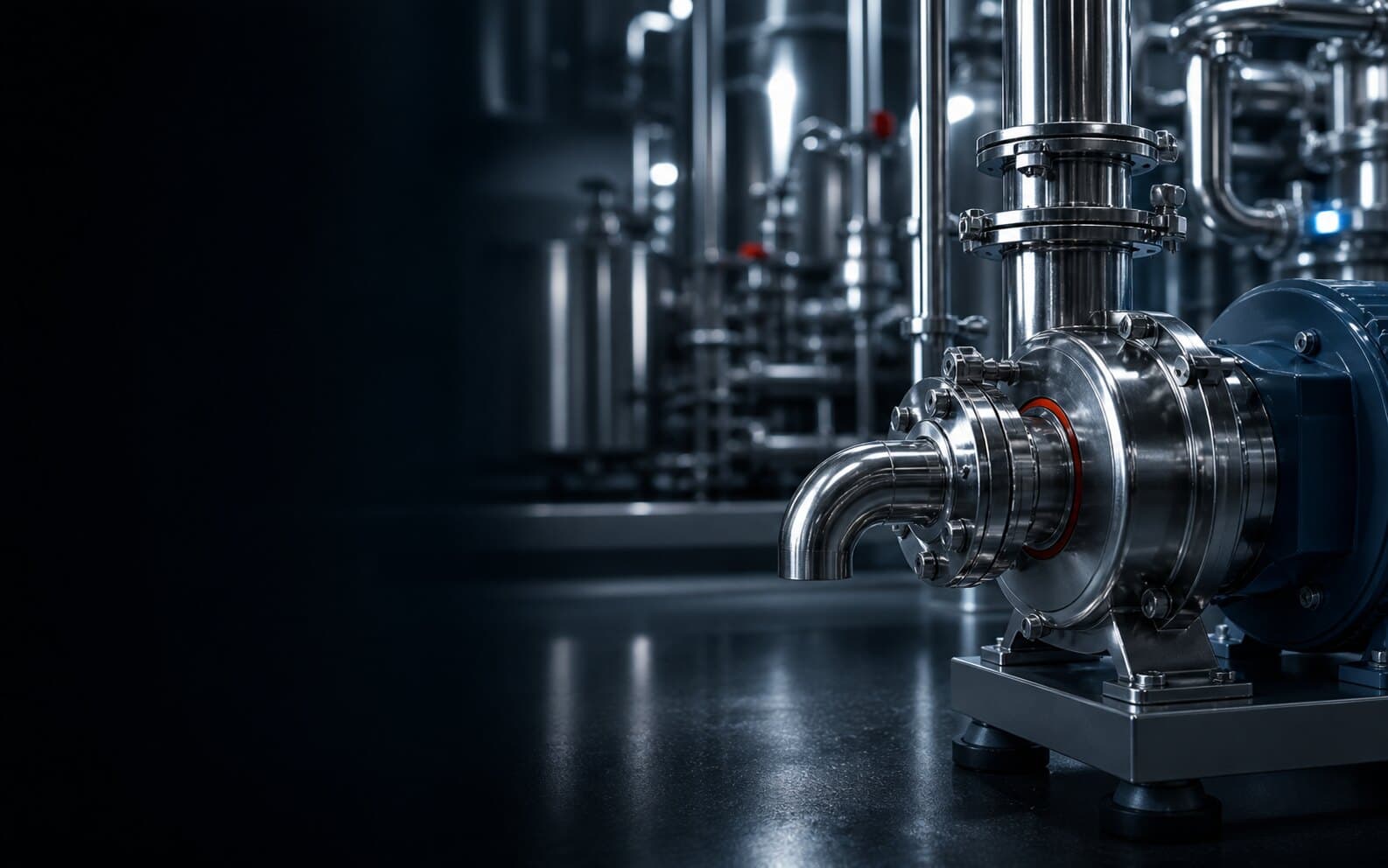
Pharmaceutical
Hygienic by design, validated by data.
 Sector 05
Clean, traceable sealing for sterile and high-purity process — sanitary fittings, bioreactors and CIP/SIP systems where contamination control is non-negotiable.
Pharmaceutical and biotech process demands seals that are clean-in-place, steam-sterilisable and free of extractables. We supply FDA- and USP-grade silicone and EPDM O-rings, platinum-cured where required, with PTFE components and custom die-cut seals for sanitary clamps and equipment. Each material ships with the compliance documentation a validated facility expects.
Sealing challenges
- Repeated CIP/SIP cycles combining caustics, acids and live steam
- Zero tolerance for extractables, leachables or particle shed
- Surface-finish and crevice-free requirements for cleanability
- Full material traceability and regulatory documentation
Seals we specify
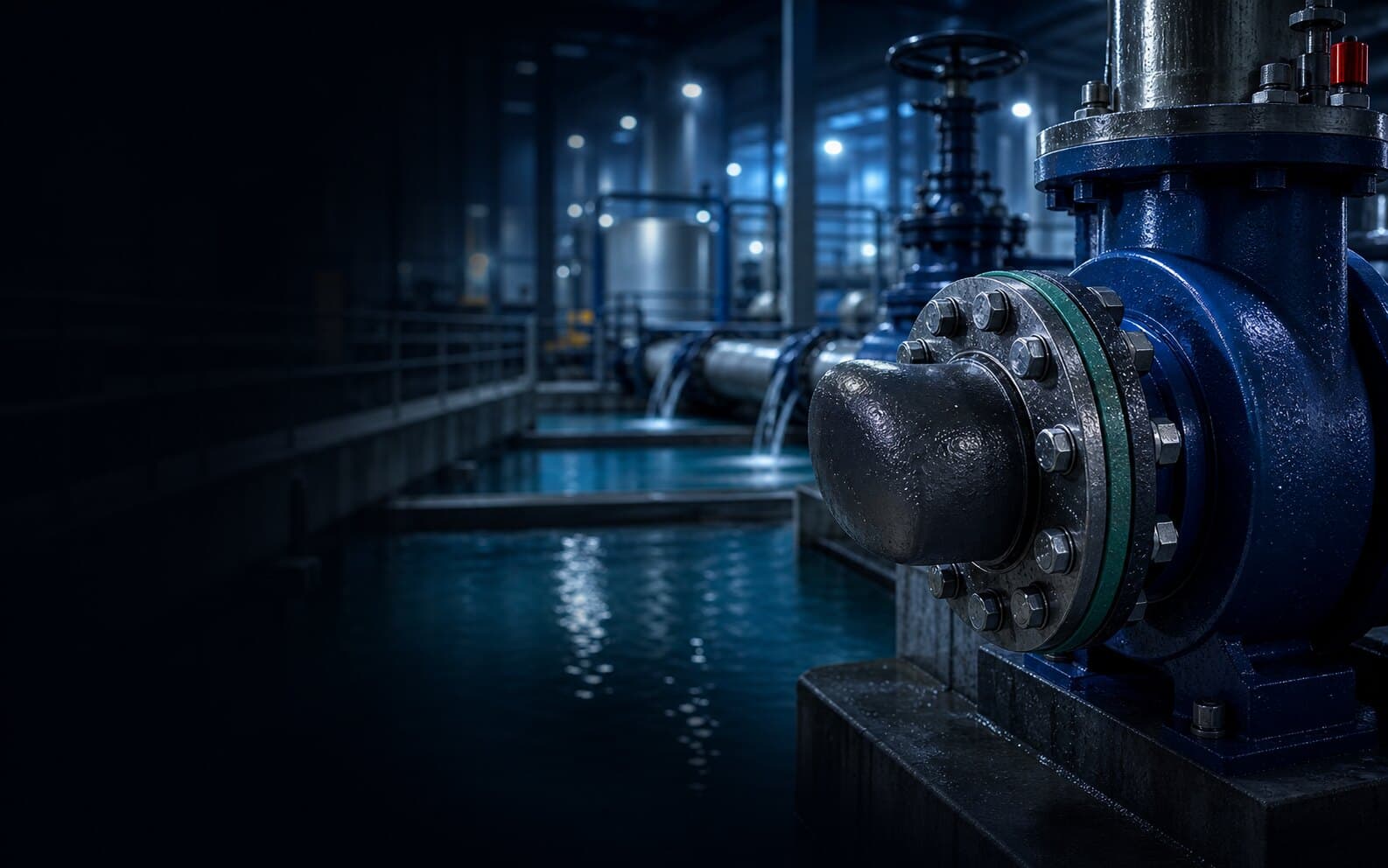
Water Treatment
Potable-safe, built to outlast the asset.
 Sector 06
Durable sealing for municipal and industrial water — intake, treatment and distribution systems running continuously for decades on tight maintenance budgets.
Water and wastewater assets prize longevity and potable-water approval over exotic performance. We supply WRAS-style approved EPDM O-rings and rubber gaskets, cut rubber sheet for bespoke joints, and robust mechanical and hydraulic seals for pumps and actuators. The aim is decades of leak-free service with minimal intervention.
Sealing challenges
- Continuous duty with very long maintenance intervals
- Potable-water contact approvals for materials in the flow path
- Chlorine, ozone and chloramine attack on elastomers
- Abrasive grit and biofouling in raw-water and sludge service
Seals we specify
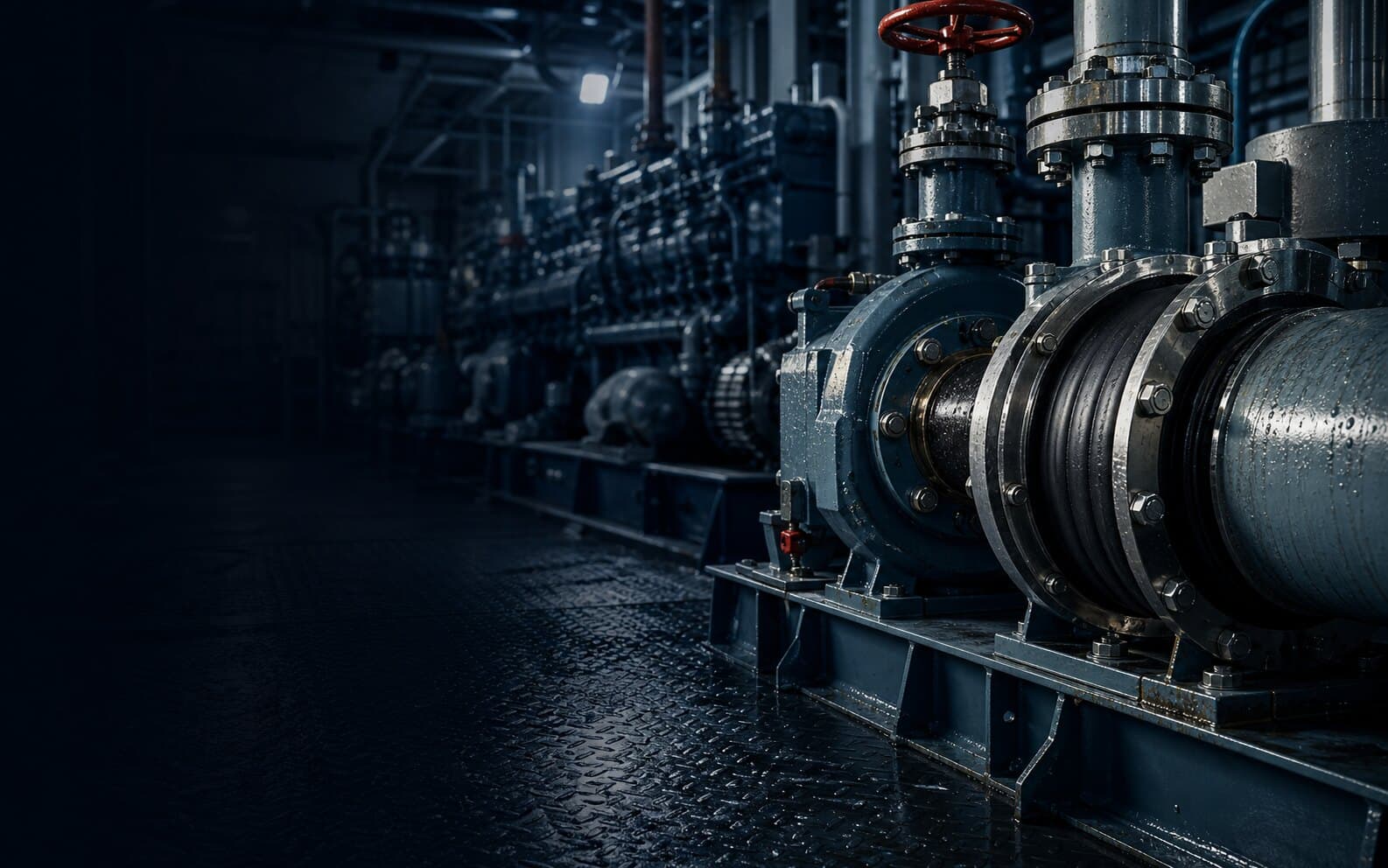
Marine
Salt, vibration and no easy dry-dock.
 Sector 07
Rugged sealing for propulsion, deck machinery and shipboard systems — where saltwater corrosion and constant motion meet the harshest repair logistics at sea.
On a vessel a failed seal can mean an unplanned dry-dock, so reliability is everything. We supply NBR O-rings, double-lip and rotary shaft seals for stern tubes and gearboxes, and fiber gaskets and back-up rings for shipboard fluid systems. Materials are chosen for saltwater corrosion resistance and tolerance of continuous vibration and shaft movement.
Sealing challenges
- Saltwater corrosion and crevice attack on every wetted interface
- Continuous vibration and shaft run-out on rotating equipment
- Stern-tube and shaft seals that must run for years between dockings
- Mixed fuel, lube-oil and seawater service across one vessel
Seals we specify
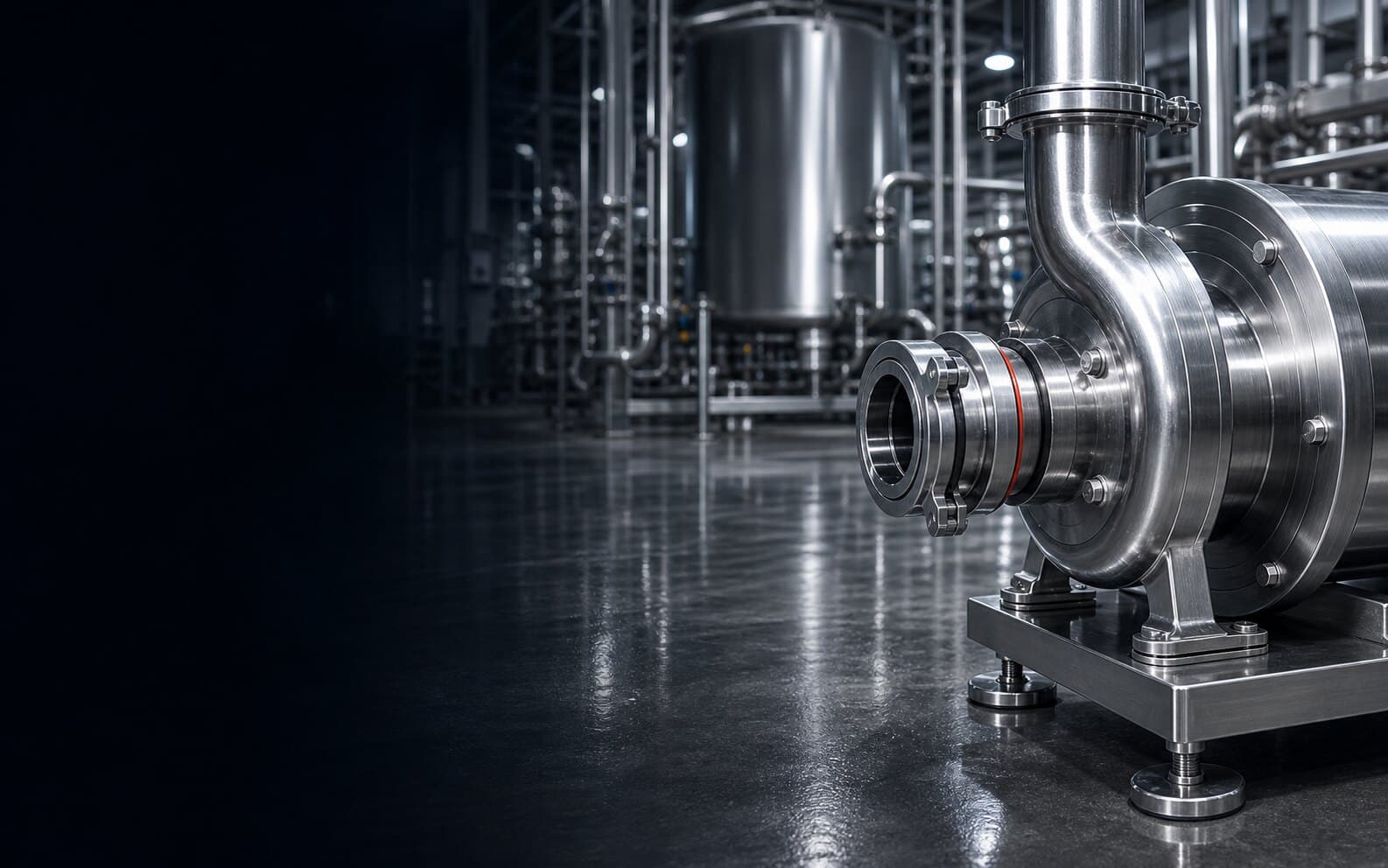
Food & Beverage
Clean, compliant, contamination-free.
 Sector 08
Hygienic sealing for processing, filling and packaging — dairy, brewing and food lines where taint, particle shed and cleaning chemistry all have to be designed out.
Food and beverage lines run aggressive CIP cycles between batches and cannot tolerate taint or contamination. We specify FDA-grade silicone and EPDM O-rings, PTFE gaskets and cork sheet for the right hygienic duty, with cartridge seals for product pumps. Materials resist fats, sugars, cleaning caustics and live steam while keeping the product stream pure.
Sealing challenges
- Frequent CIP/SIP cycles mixing hot caustic, acid and steam
- Taint-free, FDA-compliant contact materials throughout
- Fats, oils and sugars that attack non-resistant elastomers
- Crevice-free, cleanable geometries to prevent harbourage
Seals we specify
Don't see your service conditions?
Tell us the media, temperature, pressure and motion of your application — whatever the sector — and our engineers will specify the seal that holds the line.