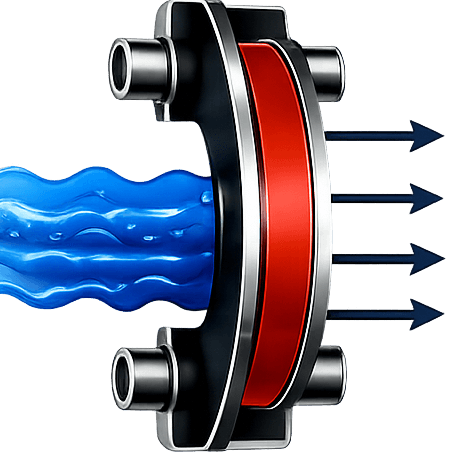
 Workhorse oil & fuel seal ring
NBR O-Rings
Precision nitrile O-rings — the industry default for mineral oil, fuel and hydraulic sealing at a sensible cost.
- Temp
- -30°C to +120°C
- Pressure
- Up to 210 bar (with anti-extrusion back-up)
Engineered to prevent leaks
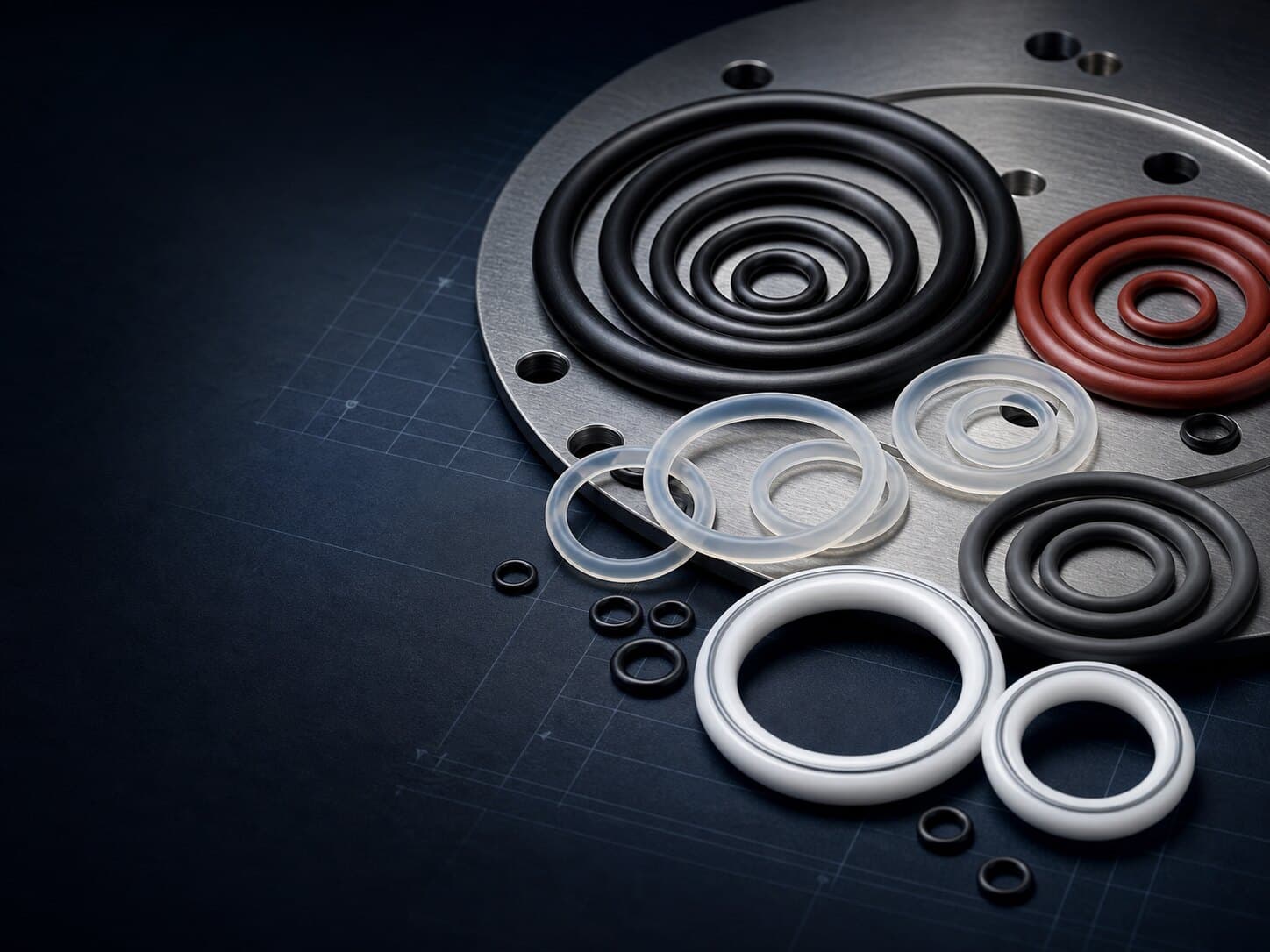
AS568 and metric O-rings in NBR, FKM, silicone, EPDM and PTFE-encapsulated grades for static and dynamic sealing across every fluid.
The O-ring is the most specified seal in industry — and the most often wrong when the elastomer doesn't match the fluid. SealGuard supplies precision-moulded rings in the full compound range, each with the correct hardness, temperature window and chemical resistance for the groove it sits in. From mineral oil and fuels in NBR to aggressive solvents in FKM and cryogenic-to-universal duty in PTFE-encapsulated cores, you get the right ring, traceable to AS568 or ISO 3601, the first time.
Browse the o-rings range, compare the headline limits, and add candidates straight to your quote request.
Workhorse oil & fuel seal ringPrecision nitrile O-rings — the industry default for mineral oil, fuel and hydraulic sealing at a sensible cost.
High-temperature chemical seal ringFKM (Viton®) O-rings combining high-temperature capability with broad chemical and fuel resistance for demanding static and dynamic duty.
Wide-temperature hygienic seal ringSilicone (VMQ) O-rings spanning an exceptionally wide temperature range, ideal for hygienic, food-contact and dry-heat static sealing.
Water, steam & weather seal ringEPDM O-rings offering outstanding resistance to water, steam, weathering and polar fluids — but never petroleum oils.
Universal-resistance elastic-core ringAn elastic silicone or FKM core sheathed in seamless FEP or PFA, combining near-universal chemical resistance with O-ring springiness.
Field-tested guidance from our engineers on specifying o-rings for demanding service.
Select the compound by fluid first, then confirm the temperature window — most O-ring failures are chemical, not mechanical.
Use 90 Shore A or anti-extrusion back-up rings as system pressure and extrusion gap rise.
Choose PTFE-encapsulated rings for mixed or aggressive chemistry where a single elastomer can't cover the duty.
Avoid EPDM in petroleum oils and silicone in dynamic or steam service — match the compound to the motion too.
A reliability problem in the field, closed at the joint — and the numbers that followed.
 Case Study
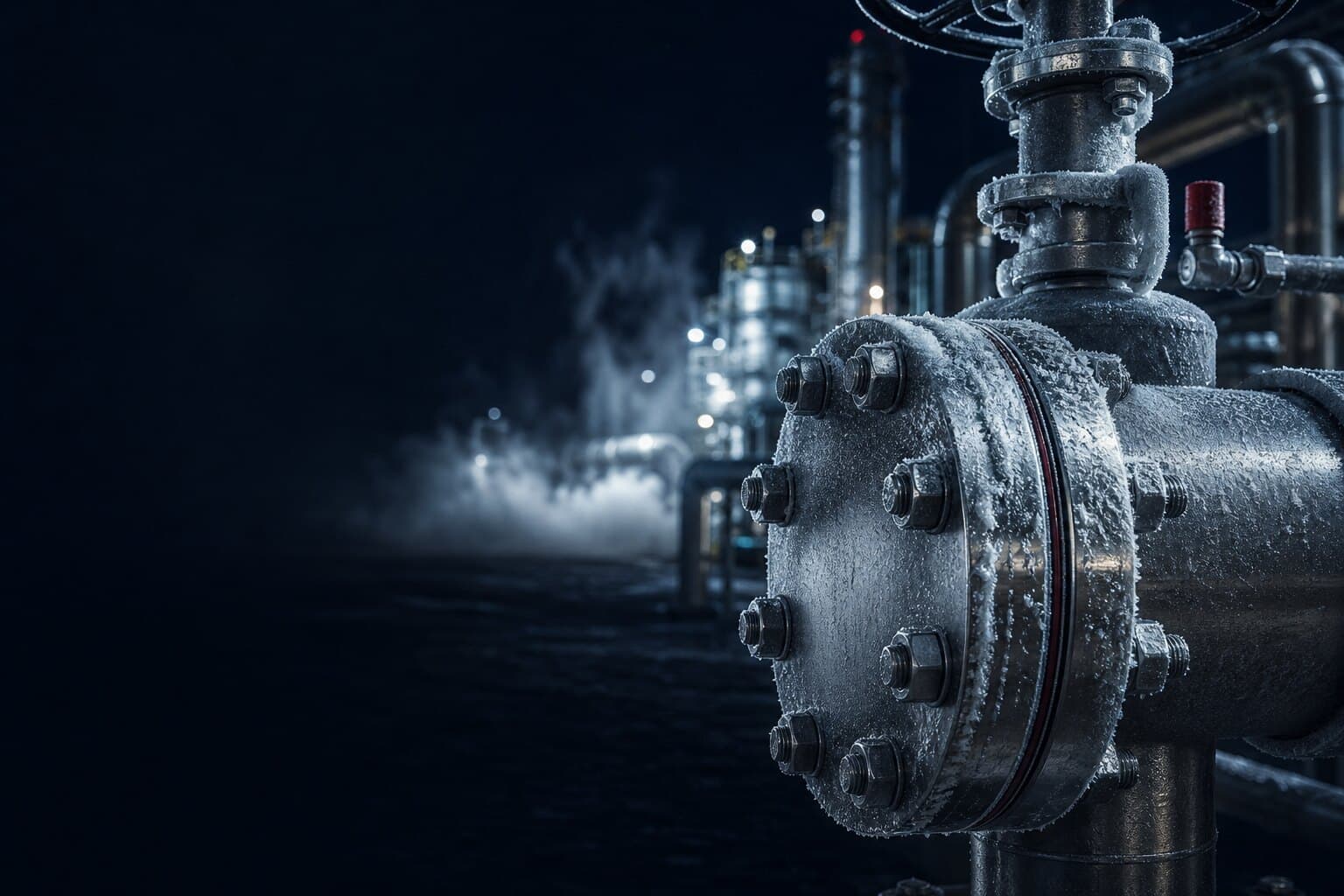
An LNG expansion needed flange and valve seals qualified for continuous cryogenic duty down to -196°C without relaxation or embrittlement, and the schedule left almost no float for material qualification.
We supplied spiral-wound gaskets with low-stress graphite filler alongside PTFE-encapsulated O-rings and skived graphite sheet for the cold-box joints, each backed by cryogenic test data and full material traceability. Engineering and logistics compressed delivery to hold the commissioning window.
Every qualified joint passed helium leak testing at temperature on the first attempt. The train was commissioned on schedule and the cryogenic seals have held tight through thermal cycling since start-up.
Send us your service conditions — media, temperature, pressure and motion — and our engineers will specify the seal that holds the line.