01
Zero Leakage
Engineered sealing geometry and material science that hold the line — joint after joint, cycle after cycle.
Engineered to prevent leaks
Engineered to Prevent Leaks
Sealing systems engineered to hold the line across extreme temperature, pressure, and chemistry — so your process stays inside the pipe, and nothing reaches atmosphere.
SealGuard exists for the joints that cannot fail — the flange on a hydrocarbon line, the shaft on a boiler-feed pump, the fitting on a cryogenic transfer. We engineer the sealing element to the exact service: media, temperature, pressure and motion. So containment is designed in, never hoped for.
From a single spiral-wound gasket to a complete cartridge seal, every component is specified, documented and traceable to the standards your inspectors sign against.
Every seal we ship is held to the same four standards — the difference between a part that fits and a joint that holds.
Engineered sealing geometry and material science that hold the line — joint after joint, cycle after cycle.
Specified for cryogenic to incandescent service and pressures that flatten lesser seals.
Long service intervals and predictable wear — uptime you can build a maintenance plan around.
Supplying critical sealing components to operators and OEMs across 30+ countries.
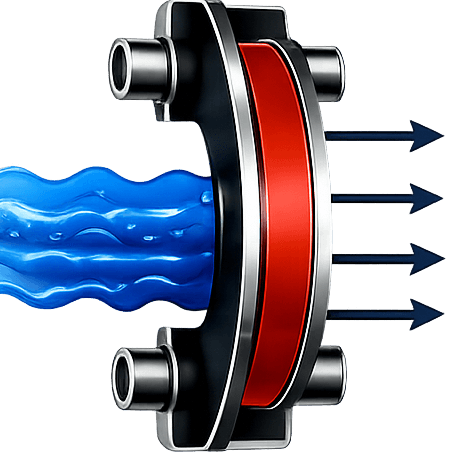
A bolted flange joint in section. Scroll to drive the sequence — pressure energises the gasket and closes every path to atmosphere.
Step 1 of 4: Pressurised media. Process media fills the bore and presses outward against every face of the bolted joint.
Every category is specified to the joint in front of you — the right seating stress, material and geometry for the exact service, not the catalogue.
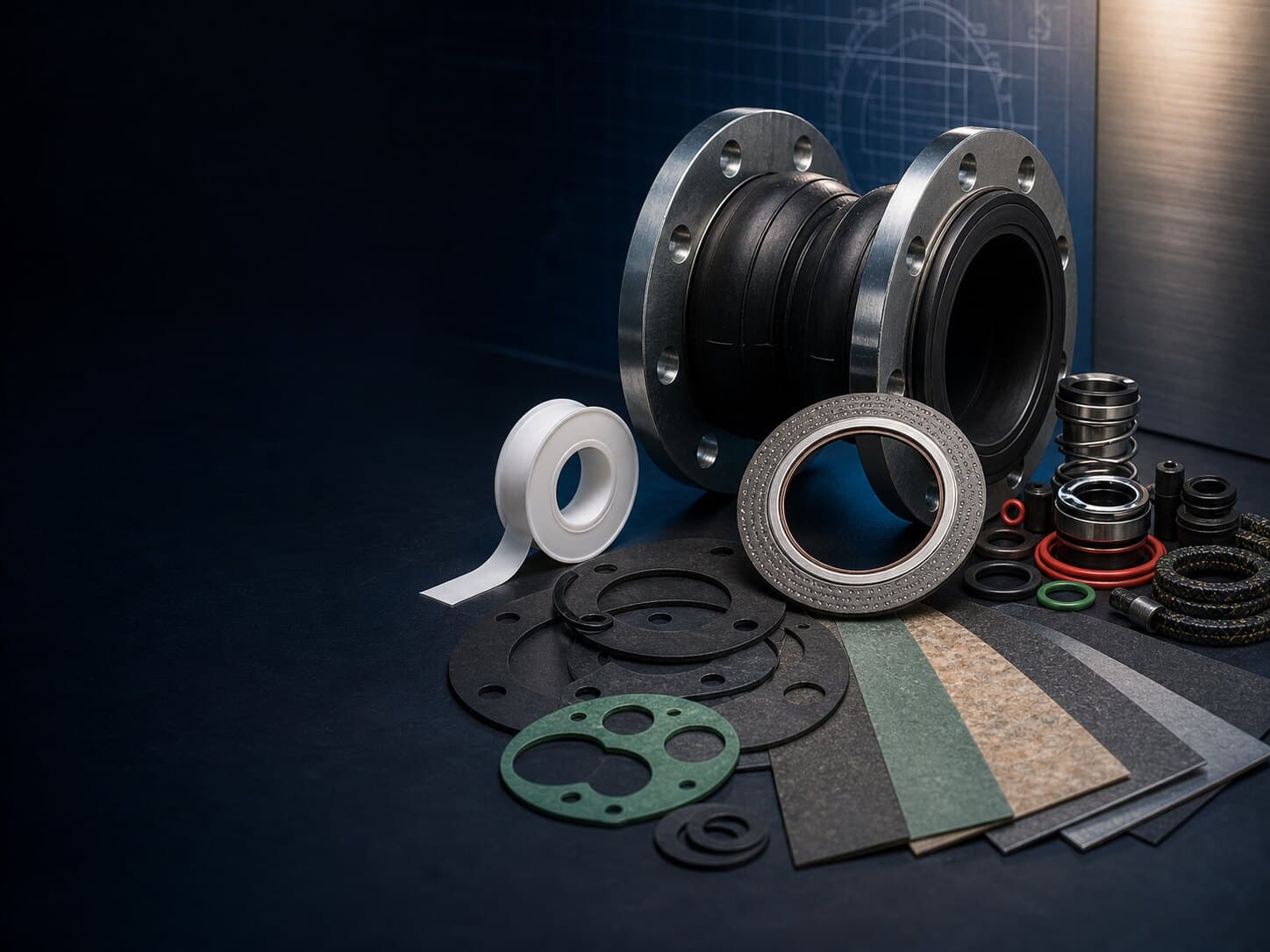 01 / 08
Static face seals that hold the flange
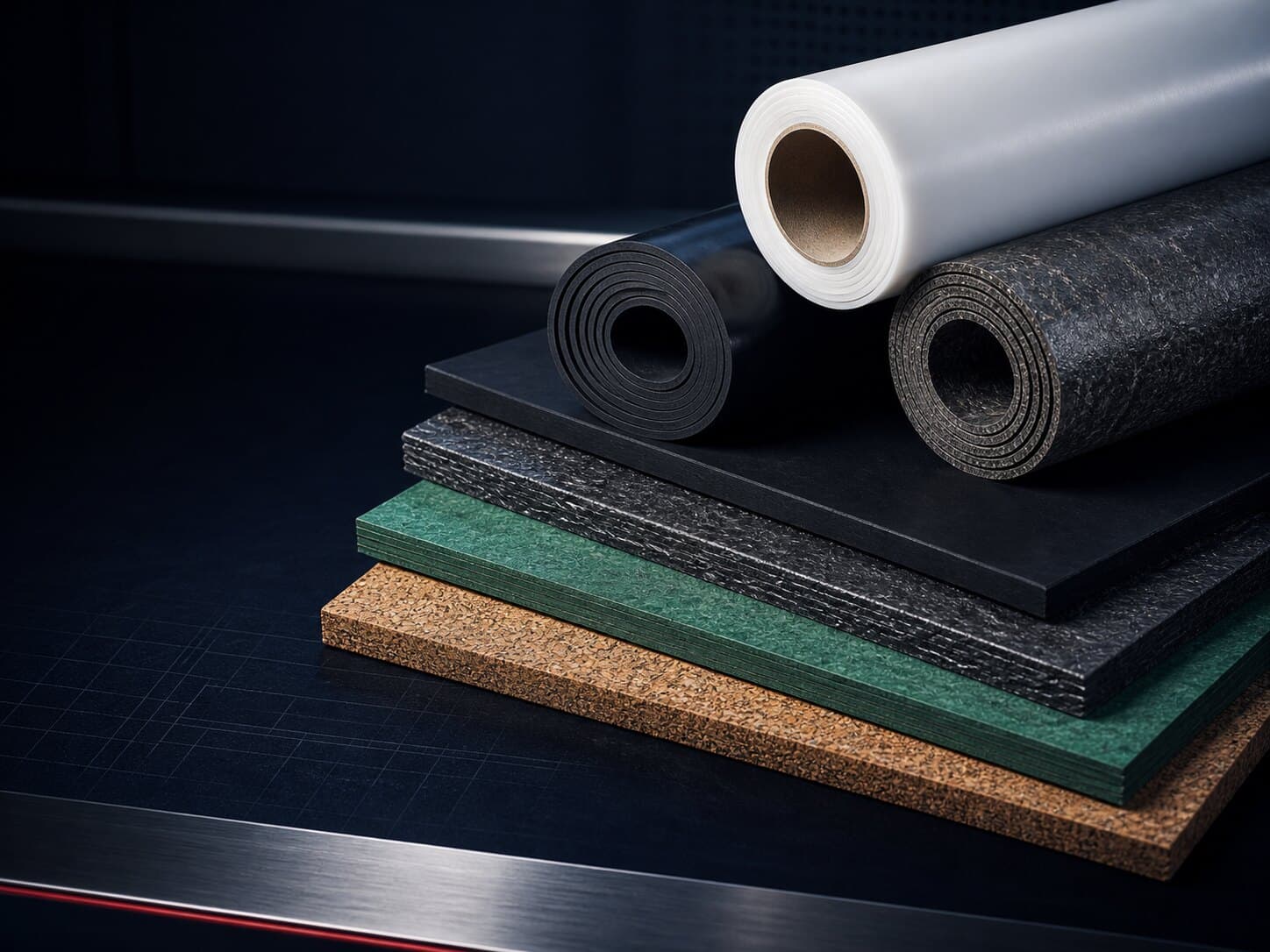 02 / 08
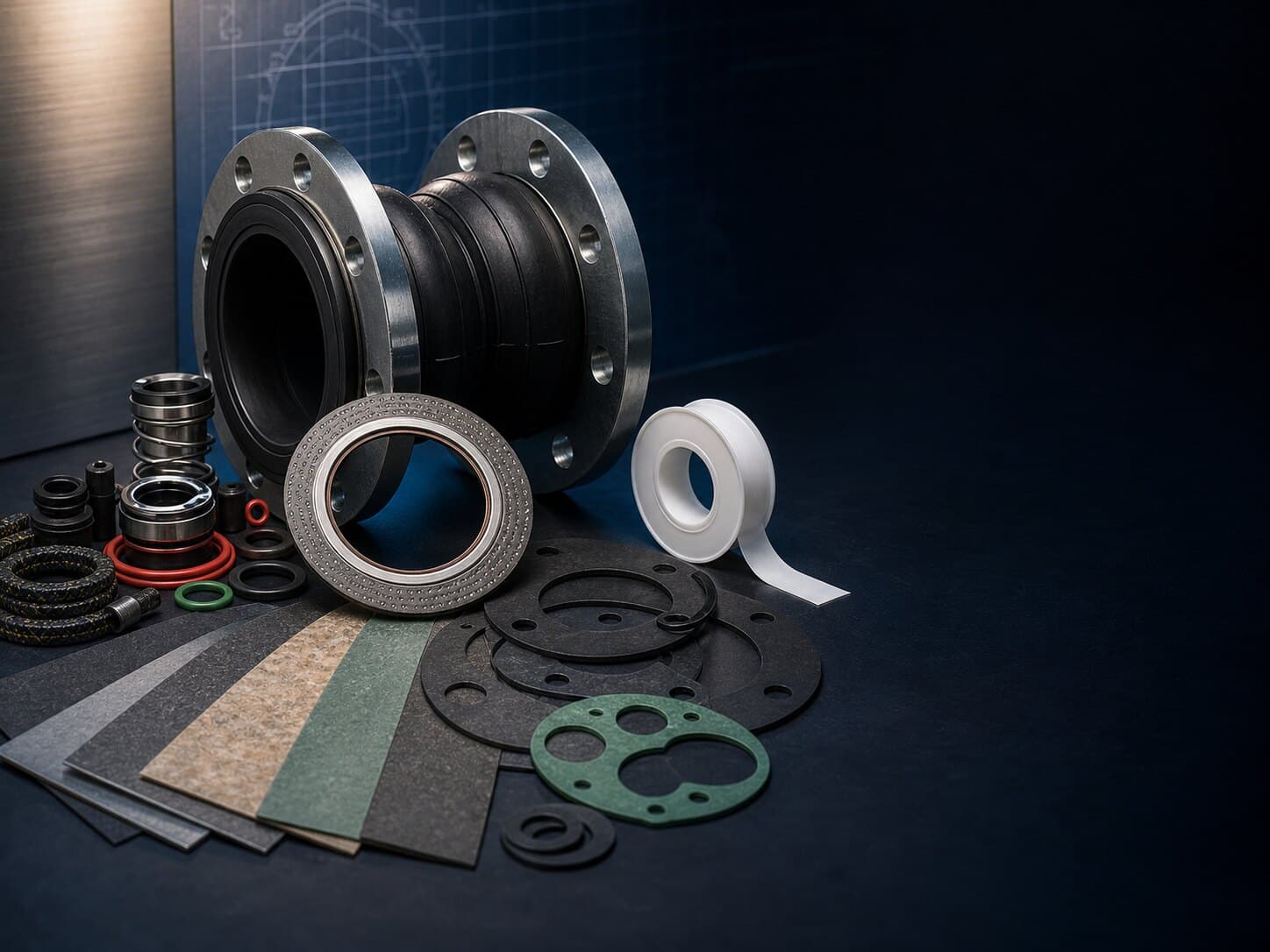
Cut-to-fit jointing on the bench
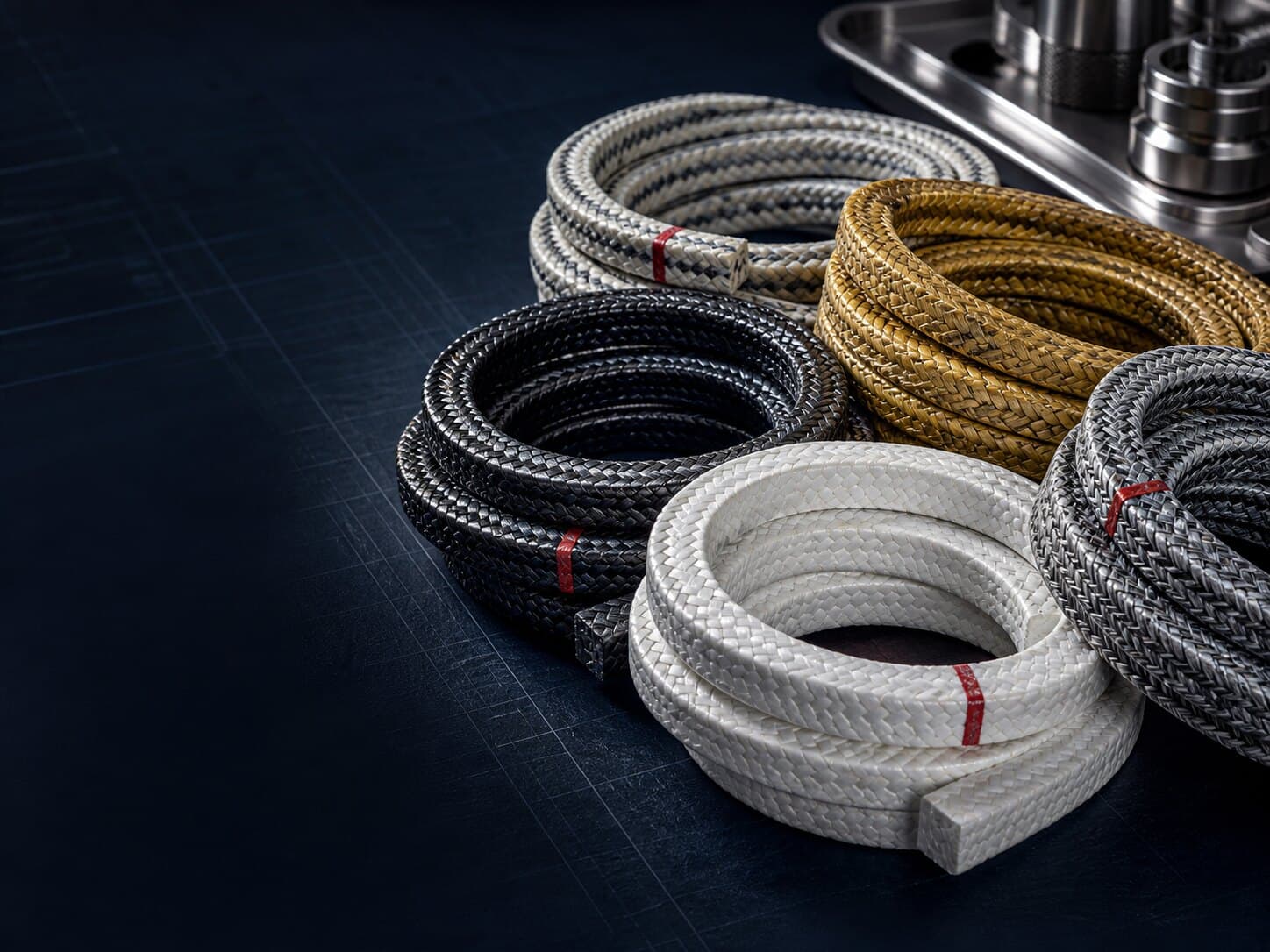 03 / 08
Braided compression packing for shafts
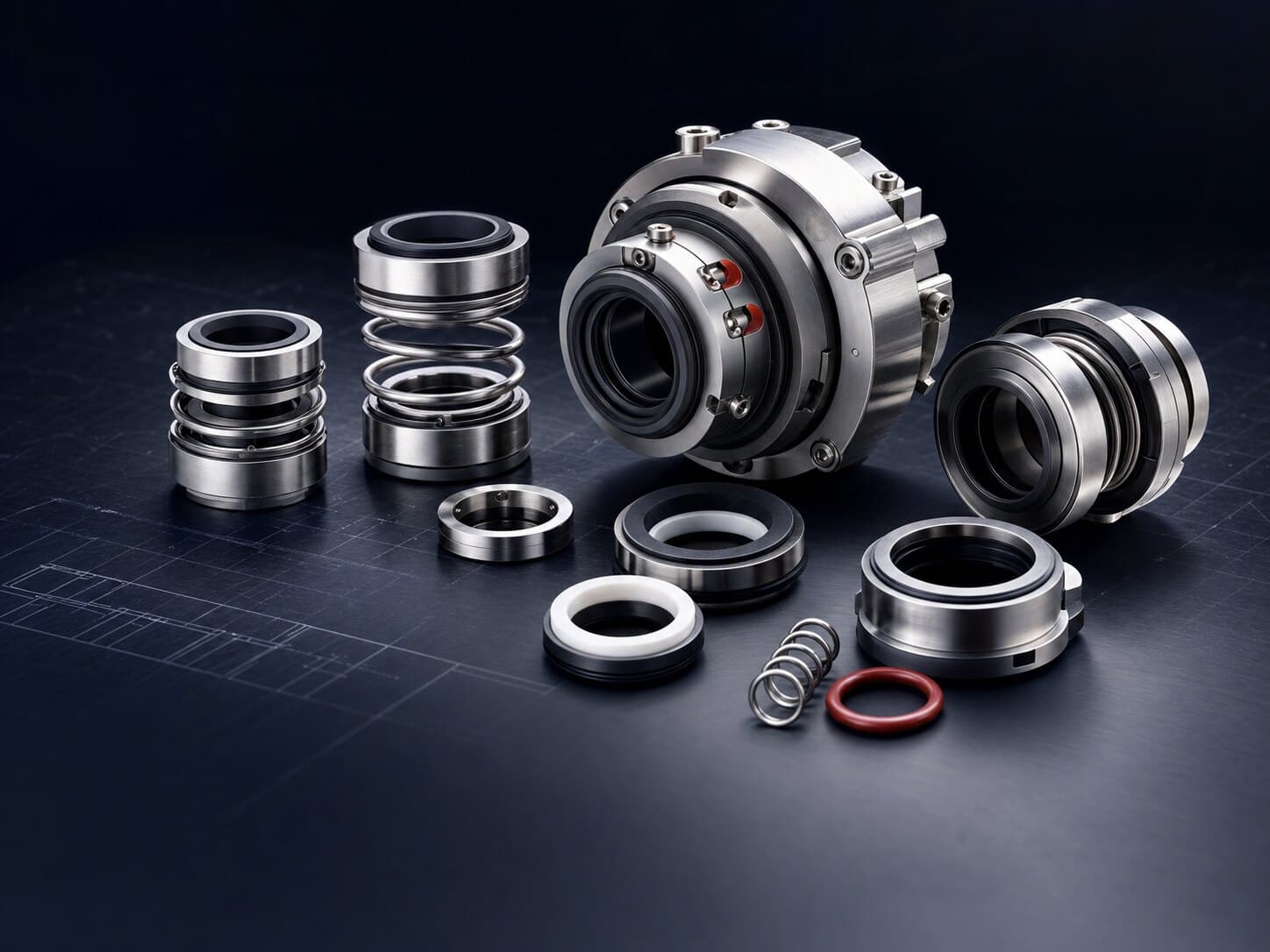 04 / 08
Dynamic end-face seals for rotating gear
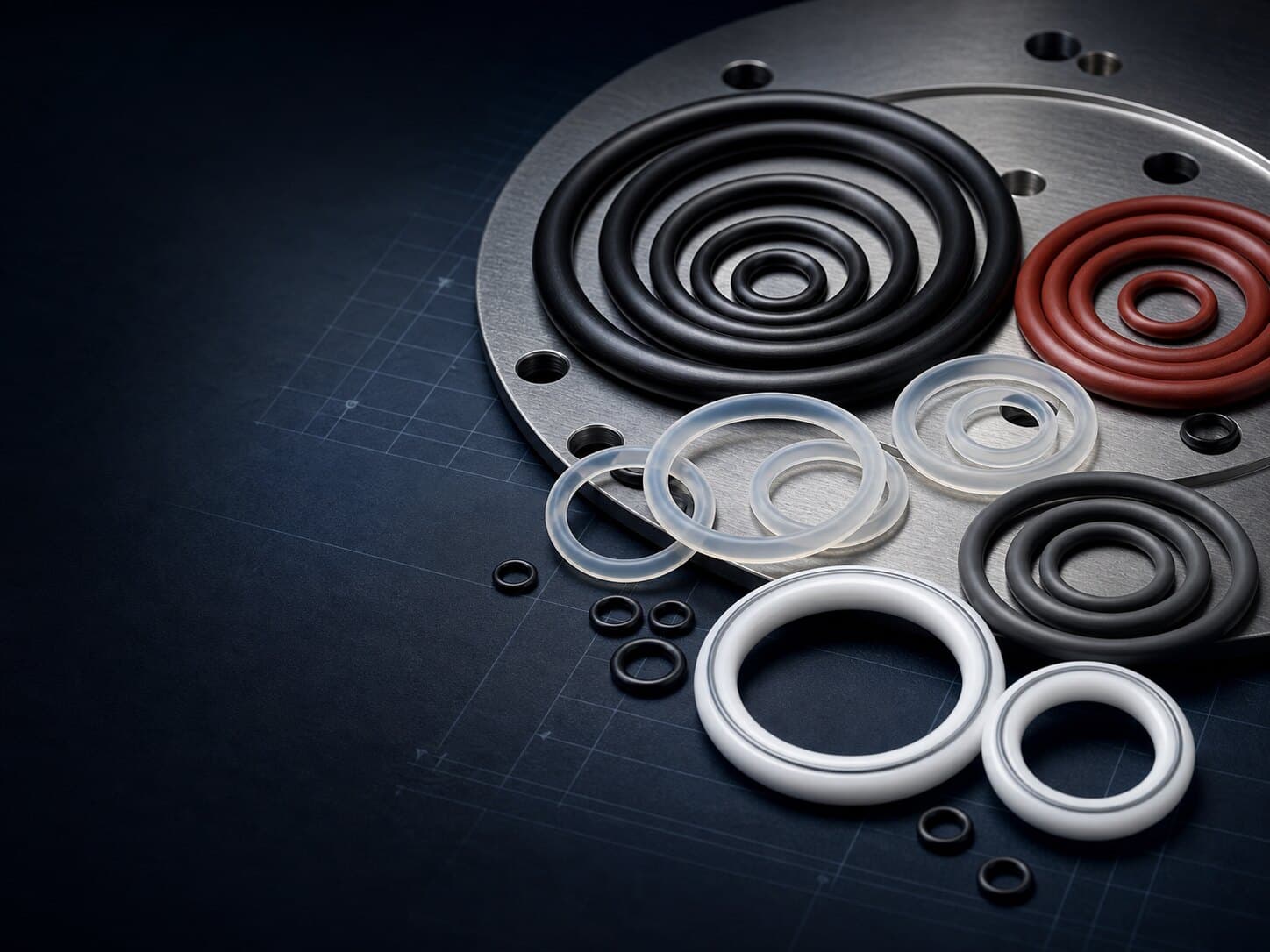 05 / 08
Precision elastomer rings, any medium
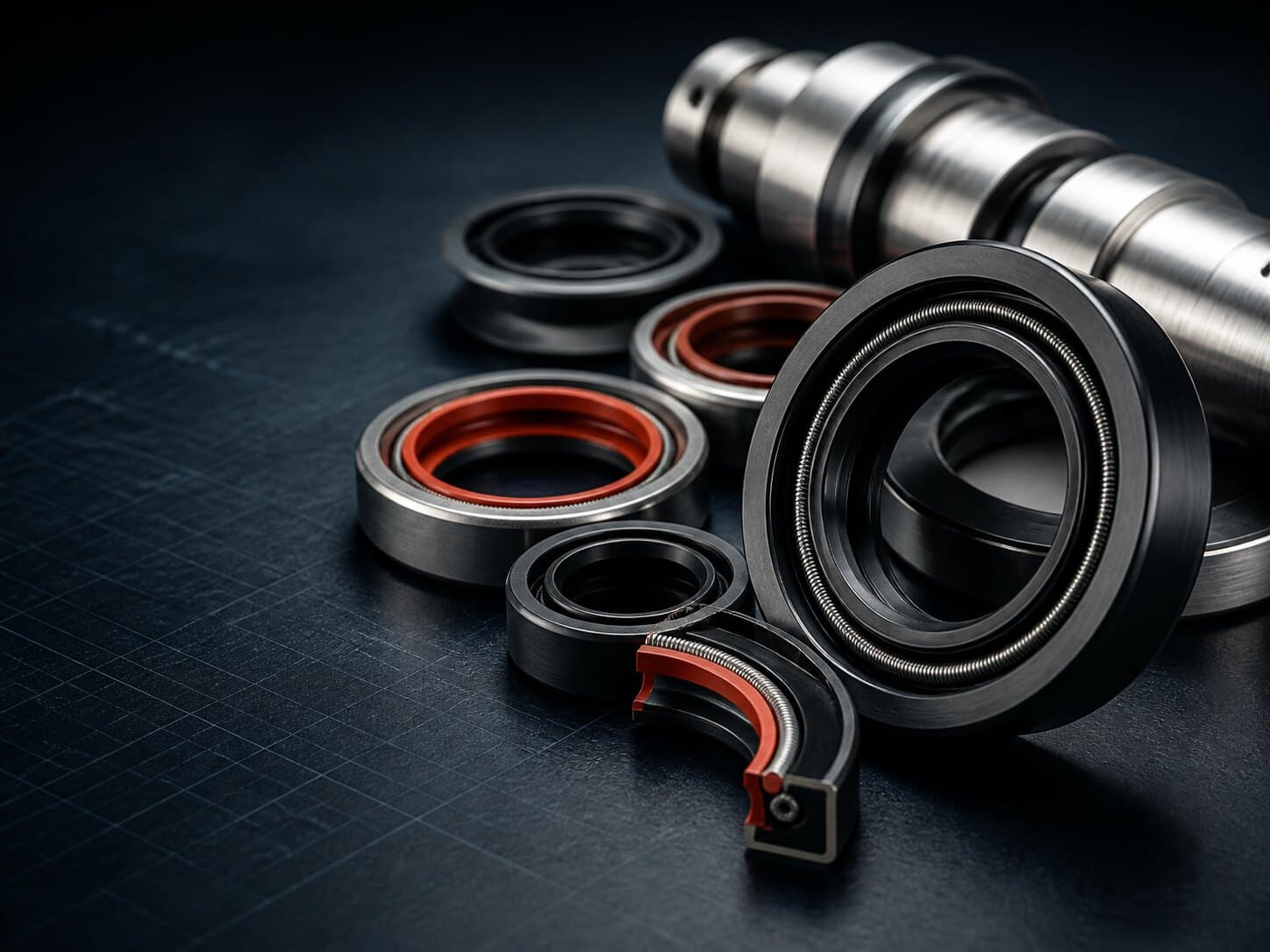 06 / 08
Radial lip seals that keep oil in
 07 / 08
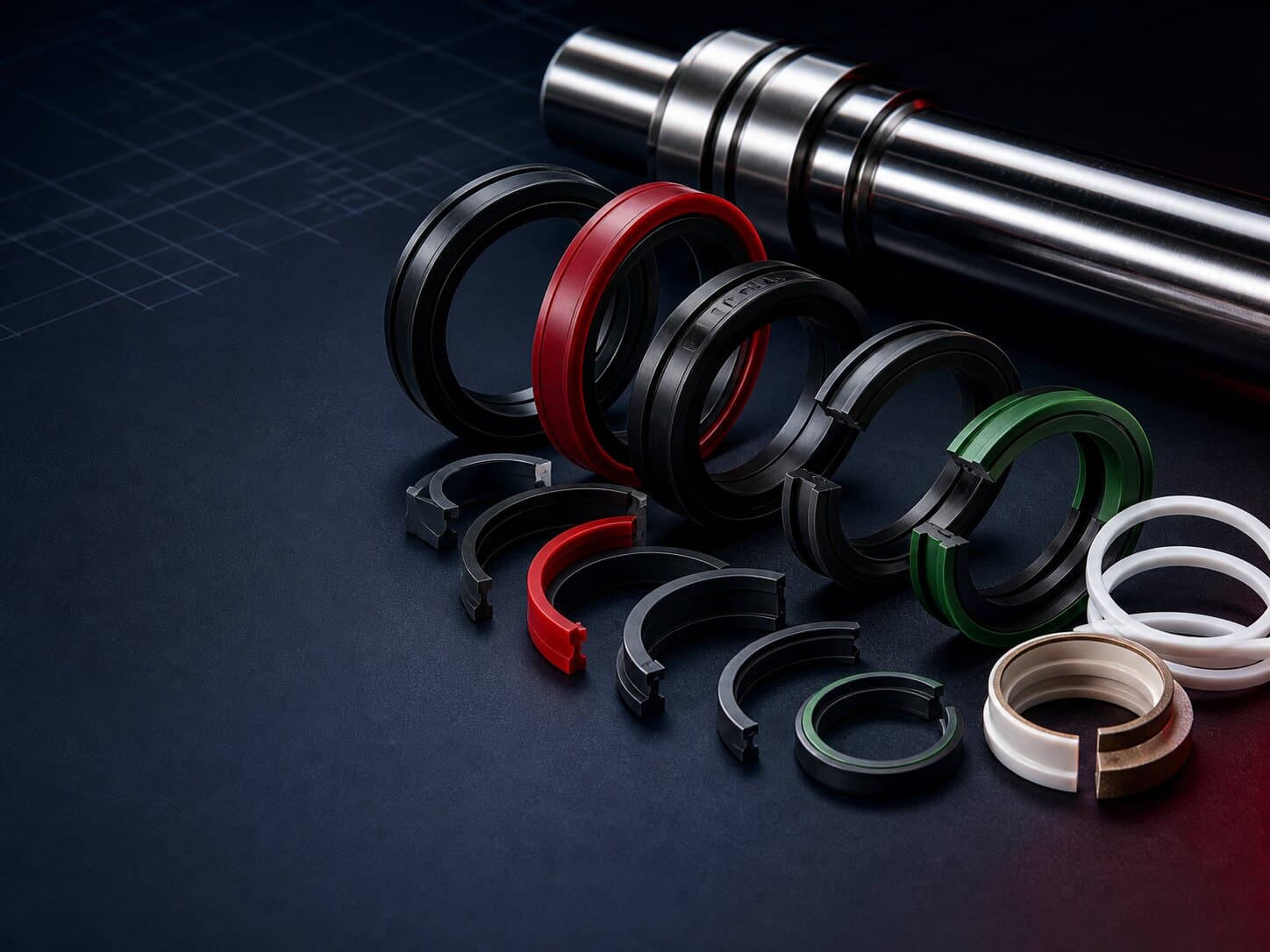
Reciprocating seals for cylinders
 08 / 08
Specialised & custom sealing
Critical-service components shipped to operators and OEMs since 1998.
From wellhead and refinery to hygienic process and municipal water.
Measured across qualified installations under specified service conditions.
A logistics and engineering footprint spanning six continents.
From wellhead and refinery to hygienic process and municipal water — specified for the conditions of each sector.
Wellhead to refinery, held leak-tight.
Aggressive media, zero compromise.
Steam-tight, cycle after cycle.
Engineered for the whole pH scale.
Hygienic by design, validated by data.
Potable-safe, built to outlast the asset.
Salt, vibration and no easy dry-dock.
Clean, compliant, contamination-free.
Three engagements where the right seal — correctly specified — turned a recurring failure into a maintenance plan.
 Case 01
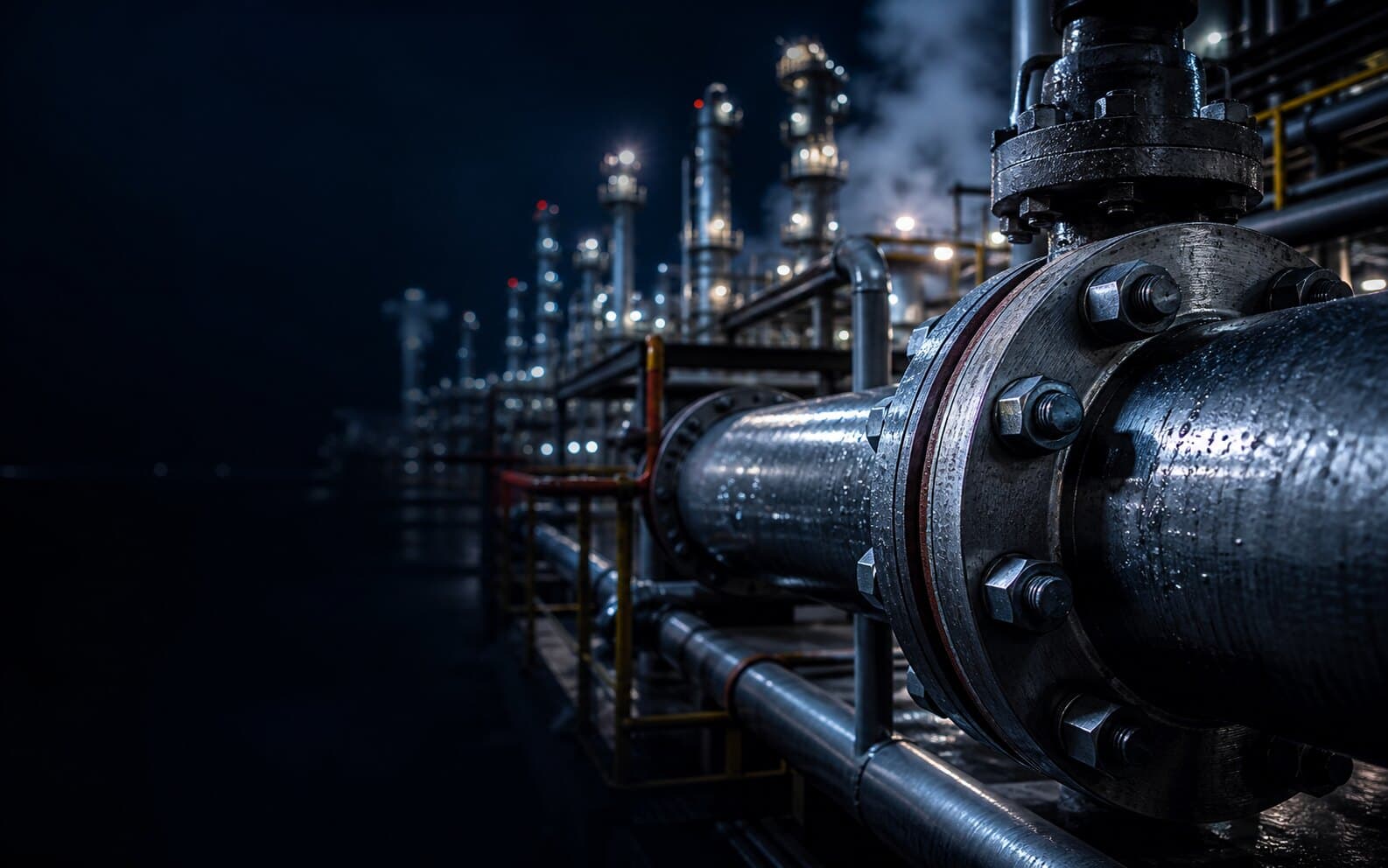
A coastal refinery was failing fugitive-emission audits on high-temperature crude and vacuum-tower flanges, with repeated re-torques and unplanned isolation eating into availability. Thermal cycling was relaxing the incumbent sheet gaskets and opening leak paths on Class 600 joints.
We re-specified the worst-offending joints with 316L spiral-wound gaskets using a flexible-graphite filler and inner/outer rings, matched to each flange's ASME B16.20 geometry. Every joint shipped with a torque sequence, material certification and an assembly checklist for the turnaround crew.
The unit came back online and held leak-tight through the next two monitoring campaigns. Twenty-four months later the refinery has recorded zero reportable fugitive emissions on the upgraded joints and eliminated the re-torque cycle entirely.
 Case 02
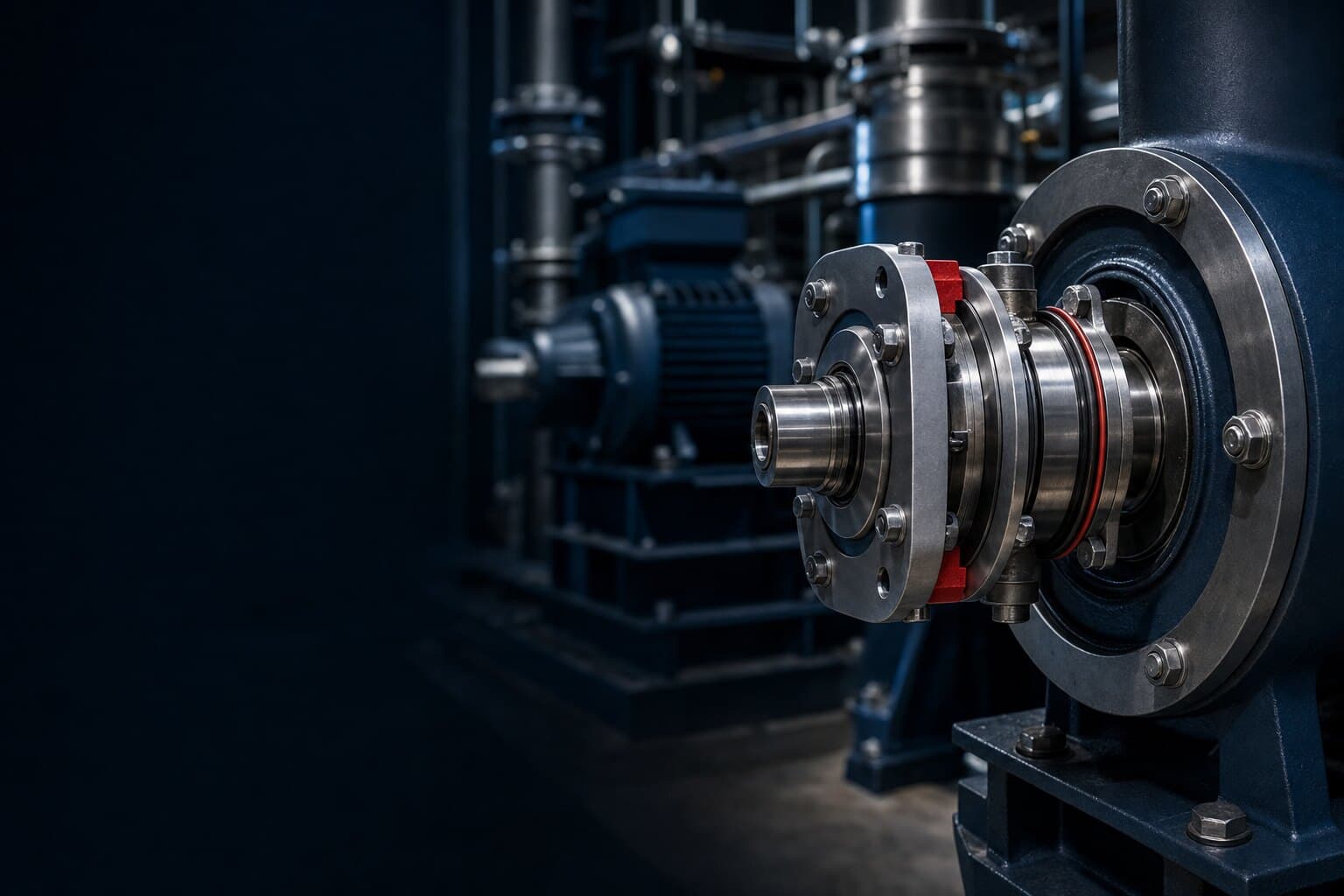
An aggressive acid-transfer service was destroying pump seals roughly every six weeks. Each failure meant an emergency strip-down, lost batch time and a growing reliability backlog across a bank of duty/standby pumps.
We replaced the component seals with balanced cartridge mechanical seals running silicon-carbide faces and PTFE-encapsulated secondary seals, plus a flush plan matched to the duty. The cartridge format removed setting error on rebuild and gave the technicians a repeatable installation.
Mean time between failures moved from six weeks to over twelve months on the lead pumps, and mean time to repair dropped because the cartridge drops straight in. The site redeployed the maintenance hours it used to spend rebuilding seals.
 Case 03
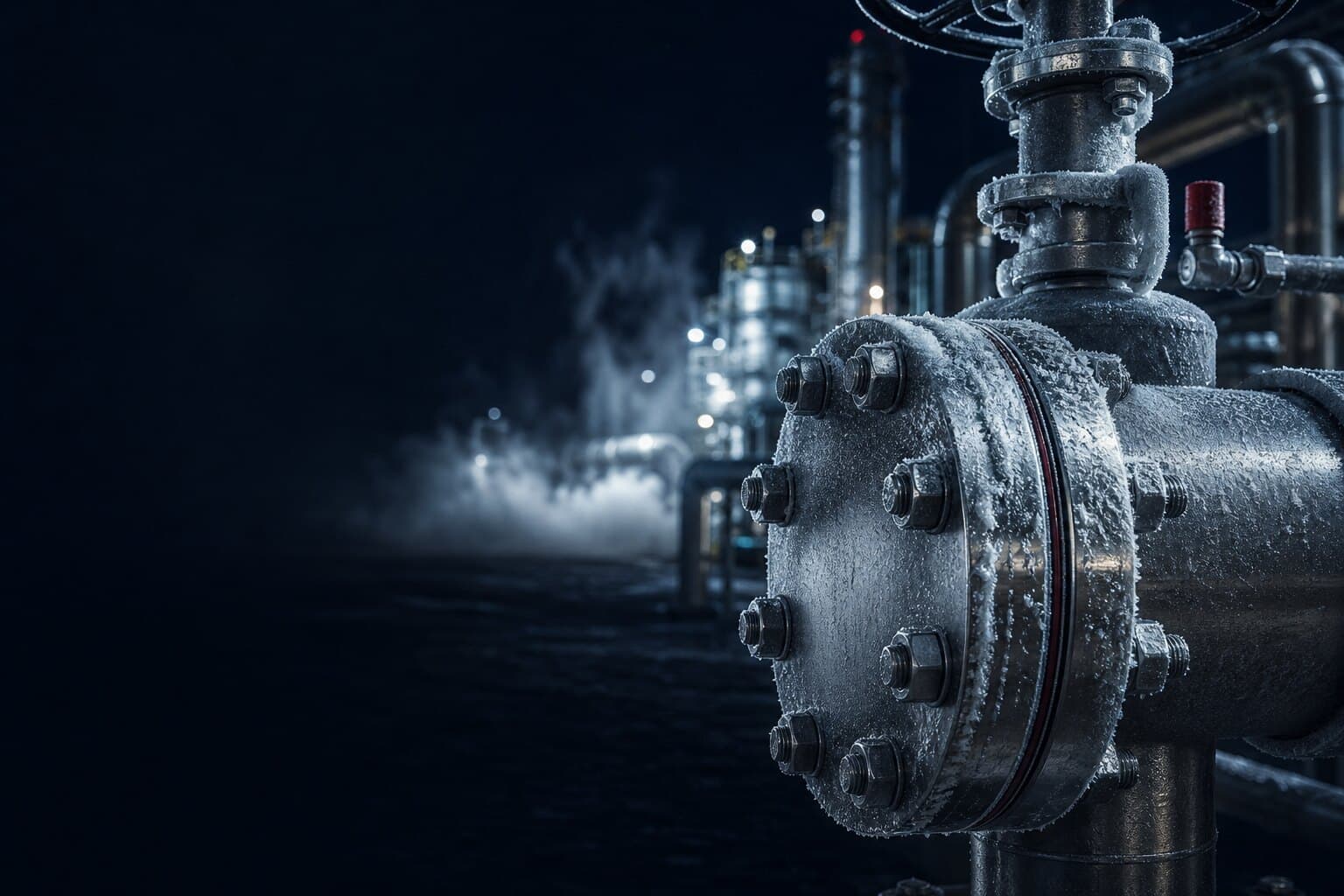
An LNG expansion needed flange and valve seals qualified for continuous cryogenic duty down to -196°C without relaxation or embrittlement, and the schedule left almost no float for material qualification.
We supplied spiral-wound gaskets with low-stress graphite filler alongside PTFE-encapsulated O-rings and skived graphite sheet for the cold-box joints, each backed by cryogenic test data and full material traceability. Engineering and logistics compressed delivery to hold the commissioning window.
Every qualified joint passed helium leak testing at temperature on the first attempt. The train was commissioned on schedule and the cryogenic seals have held tight through thermal cycling since start-up.
Outcomes from the people who live with the consequences of a seal — uptime, audits and runs measured in months between interventions.
We swapped to SealGuard spiral-wound gaskets across two crude units during the last turnaround. Eighteen months on, our flange monitoring program is still recording zero fugitive emissions on those joints — the first time we've cleared a TA-Luft audit without a single re-torque.
Testimonial 1 of 6: Daniel Okafor, NorthPoint Refining.
Illustrative placeholders — names shown are fictional and not real trademarks.
Send us your service conditions — media, temperature, pressure and motion — and our engineers will specify the seal that holds the line.